
Engineering consultancy provides valuable technical support throughout the lifecycle of a construction or infrastructure project. From initial planning to construction completion, engineers help clients make informed decisions and address technical requirements effectively.

Consultancy services can include structural analysis, design reports, Bills of Quantities (BOQs), technical documentation, and site supervision. These services help translate project requirements into practical designs and construction plans.

A detailed structural analysis helps evaluate how different structural elements will perform under expected loads and conditions. Design reports document important technical information, while BOQs provide detailed quantities that can support budgeting, procurement, and project planning.

During construction, site supervision helps monitor workmanship, materials, progress, and compliance with approved designs and specifications. This provides an additional layer of technical oversight and helps identify potential issues early.

Every construction project has unique requirements, making professional engineering guidance valuable from the beginning. By involving engineering consultants at the appropriate stages, property owners, developers, and contractors can improve project coordination, technical decision-making, and overall construction management.
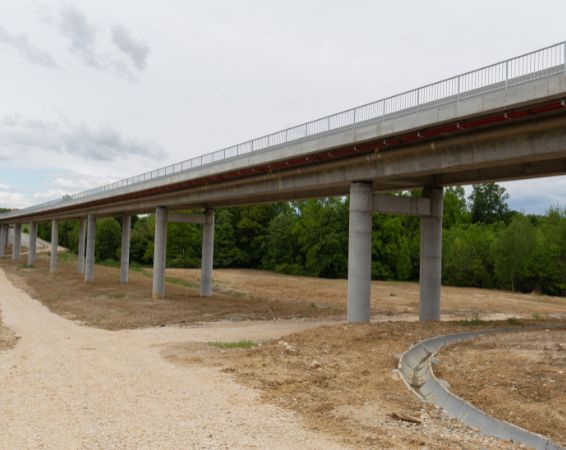

Effective drainage is one of the most important components of successful road and infrastructure development. Without proper drainage, rainwater can accumulate on road surfaces, weaken pavement layers, cause erosion, and contribute to premature deterioration.

A well-designed drainage system helps collect and safely direct stormwater away from roads and surrounding properties. Depending on the project and terrain, drainage solutions may include culverts, channels, side drains, stormwater systems, and other appropriate structures.

Road drainage should be considered during the design stage rather than treated as an additional feature after construction. Engineers assess factors such as rainfall, terrain, soil conditions, road gradients, and expected water flow when developing appropriate drainage solutions.

Proper drainage also helps protect nearby buildings, agricultural land, and other infrastructure from uncontrolled water movement. By integrating drainage into overall road design, projects can achieve better functionality, safety, and long-term performance.

Investing in professional road and drainage design provides an important foundation for durable and efficient infrastructure.

Structural engineering plays an essential role in creating safe, durable, and reliable buildings and infrastructure. Whether constructing a commercial building, warehouse, bridge, or residential property, proper structural planning helps ensure that the finished project can safely withstand the loads and conditions it will experience.

Professional structural engineering involves several important stages, including structural analysis, design calculations, preparation of drawings, material specifications, and construction supervision. These processes help identify potential structural challenges before construction begins and provide contractors with clear technical guidance.

Quality engineering can also improve construction efficiency by ensuring that materials are appropriately specified and structural elements are designed according to project requirements. Proper foundations, reinforced concrete structures, steel structures, and other components must work together as an integrated system.

Working with qualified engineering professionals therefore provides valuable technical support throughout a project. From the initial design stage to site supervision and completion, professional engineering helps transform construction concepts into practical, functional, and dependable structures.